



Forensic & Criminological Matrix
| Parameter | Forensic Detail |
|---|---|
| Forensic Heading | The Assassination of Luis Miguel Sánchez Cerro / The Santa Beatriz Crime |
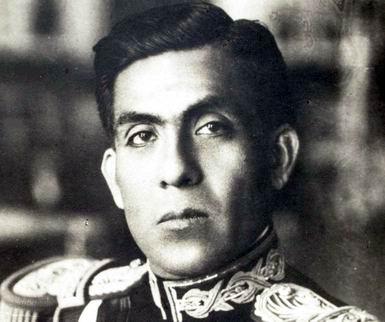
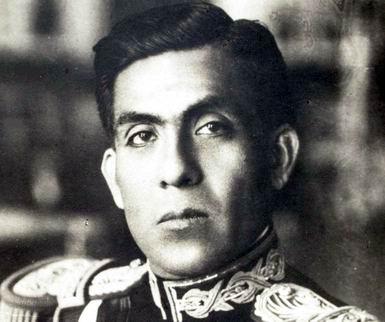
| Victim | Luis Miguel Sánchez Cerro (43 years old, Constitutional President of Peru) |
| Slain Assassin | Abelardo Mendoza Leiva (19 years old, radical APRA militant) |
| Date & Time of Incident | April 30, 1933, at approximately 13:10 local time |
| Crime Scene | Exit gates of Santa Beatriz Racetrack (now Campo de Marte), Lima, Peru |
| Forensic Ballistics | Semi-automatic 7.65 mm (.32 ACP) Browning pistol; full metal jacket ammunition |
| Medico-Legal Cause of Death | Acute hypovolemic shock caused by penetrating toracoabdominal gunshots with pulmonary and vascular transection |
| Forensic Controversy | Autopsy report by Dr. Carlos Brignardello identified dual-caliber bullet wounds with conflicting trajectory vectors |
| Historical Aftermath | Immediate elevation of General Óscar R. Benavides and peaceful diplomatic de-escalation of the Colombia-Peru War |
1. Political Instability and the Leticia Border Crisis
Lieutenant Colonel Luis Miguel Sánchez Cerro (1889–1933) emerged onto Peru's national stage in August 1930 after leading the military coup that toppled Augusto B. Leguía's authoritarian Oncenio. Elected president in 1931 against Víctor Raúl Haya de la Torre, founder of the American Popular Revolutionary Alliance (APRA), Sánchez Cerro established an authoritarian government that violently suppressed the aprista movement following the 1932 Trujillo insurrection.
By early 1933, Peru stood on the verge of international conflict against Colombia after Peruvian irregulars seized the border outpost of Leticia on the Amazon River. Sánchez Cerro declared nationwide mobilization, rallying patriotic volunteers for battle.
2. The Ambush at Santa Beatriz Racetrack
On Sunday morning, April 30, 1933, Sánchez Cerro reviewed 20,000 mobilized troops and military reserves at the Santa Beatriz Racetrack in Lima:
- At 13:00, after reviewing the ranks, the president entered his open-top LaSalle tourer alongside Prime Minister José Matías Manzanilla.
- As the automobile moved slowly through a dense, cheering throng toward 28 de Julio Avenue, 19-year-old Abelardo Mendoza Leiva darted between cavalry escorts.
- Mendoza Leiva jumped onto the car's right-side running board and emptied an automatic 7.65 mm Browning pistol into the president's back at point-blank range.
- Presidential guards reacted violently: the vehicle's driver shot at Mendoza Leiva while escort lancers from the "Mariscal Nieto" Cavalry Regiment impaled him with lances, killing him instantly on the street amidst a chaotic barrage of crossfire that wounded multiple bystanders.
3. Emergency Surgery and Forensic Findings
Sánchez Cerro was rushed to the Italian Hospital of Lima:
- The president suffered massive internal blood loss and collapsed into shock.
- Chief surgeon Dr. Carlos Brignardello performed emergency thoracotomy procedures, but extensive damage to the lungs and great thoracic vessels proved fatal; death was declared at 13:20.
Subsequent medical evaluations stirred intense criminological debate:
- Dr. Brignardello noted downward-angled wounds consistent with Mendoza Leiva's position on the running board.
- However, medical examiners also documented an upward-angled wound from a distinctly larger caliber projectile, prompting enduring theories regarding a coordinated second shooter or lethal friendly fire from bodyguard revolvers during the pandemonium.
4. Judicial Closure and Geopolitical Turning Point
The military court declared Mendoza Leiva an isolated aprista fanatic and terminated further judicial scrutiny:
- Congress immediately convened and named General Óscar R. Benavides as President of Peru.
- Benavides reversed Sánchez Cerro's aggressive military posture, entering into direct diplomatic negotiations in Rio de Janeiro that peacefully ceded Leticia to Colombia.
- The assassination cemented a bitter four-decade feud between the Peruvian armed forces and the APRA party.