



Forensic & Criminological Matrix
| Parameter | Forensic Detail |
|---|---|
| Forensic Heading | The Assassination of Robert F. Kennedy / The Ambassador Hotel Murder |
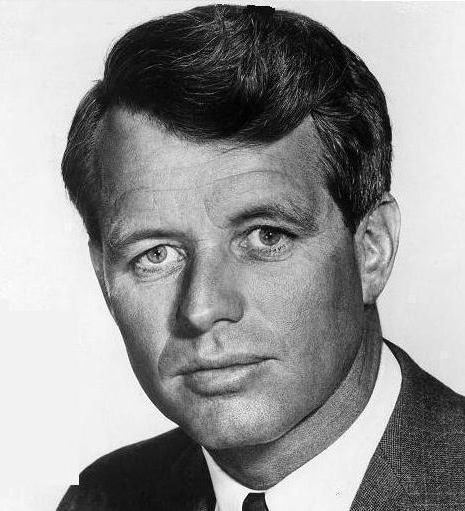
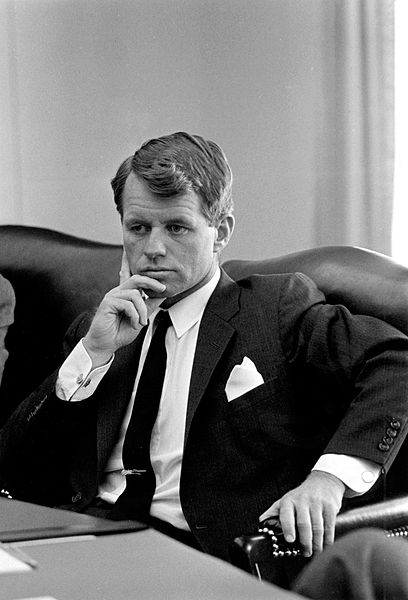
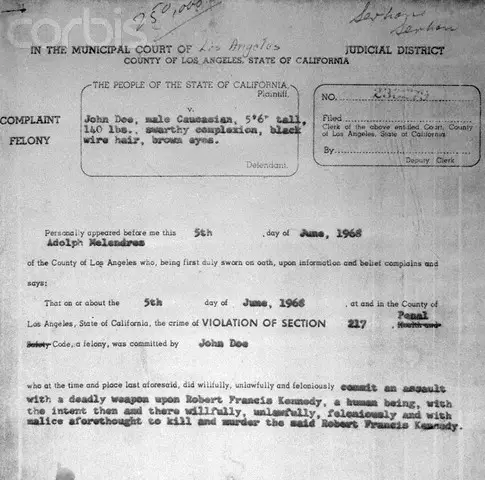
| Victim | Robert Francis Kennedy (42 years old, U.S. Senator and former Attorney General) |
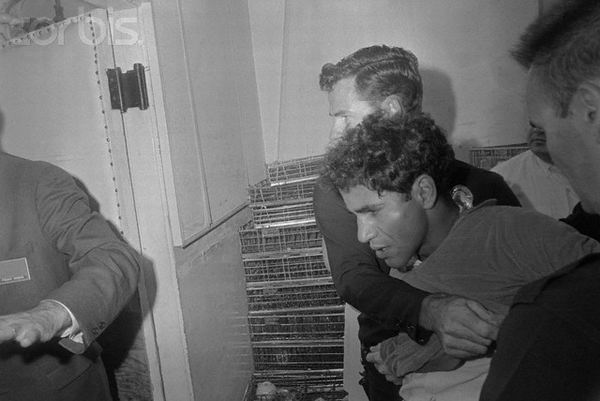
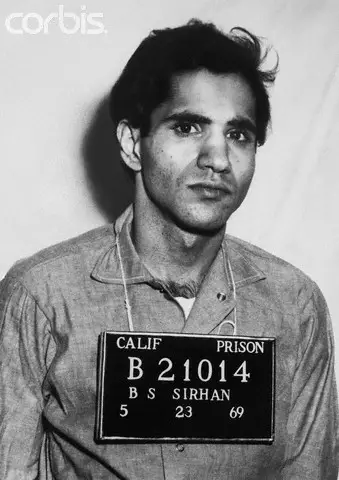
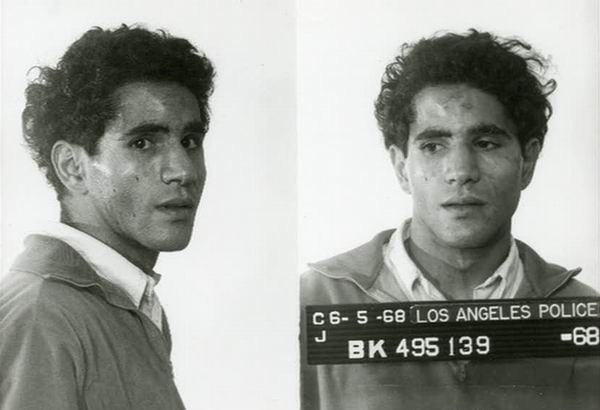
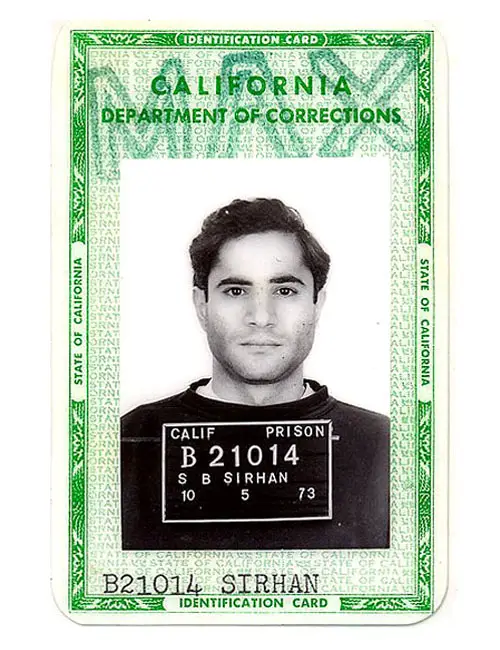
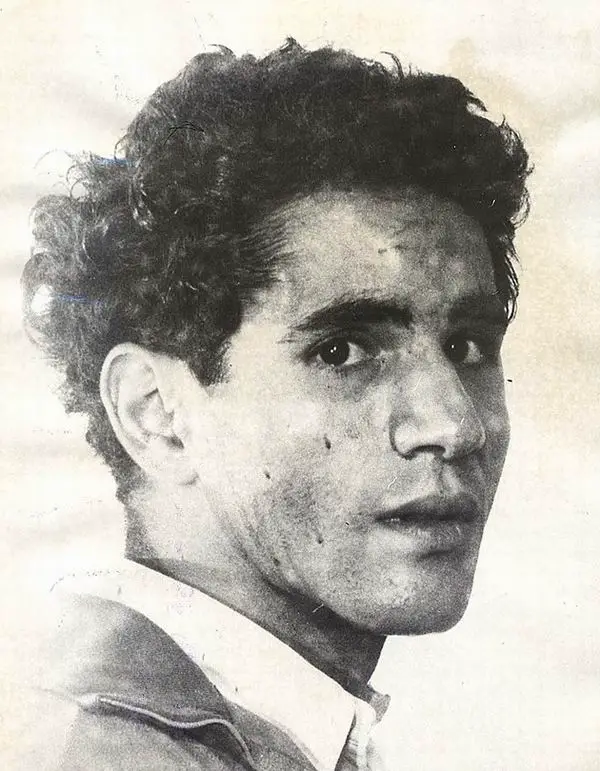
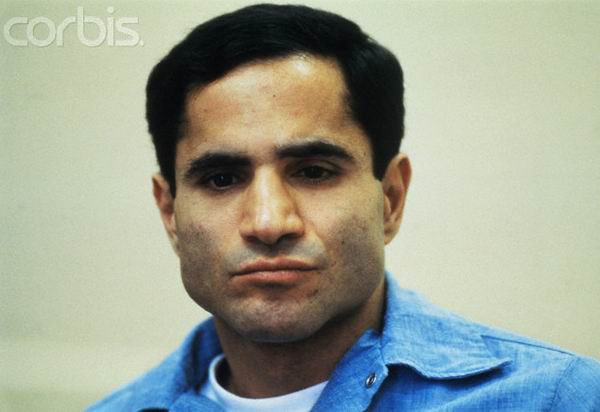
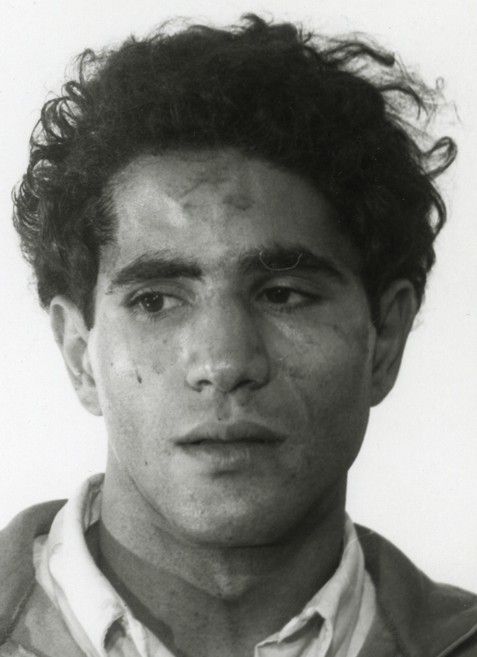
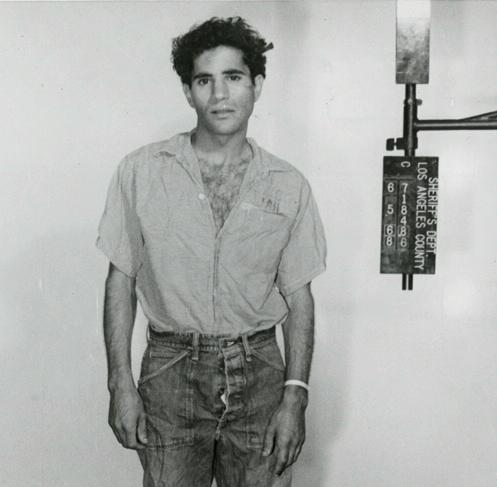
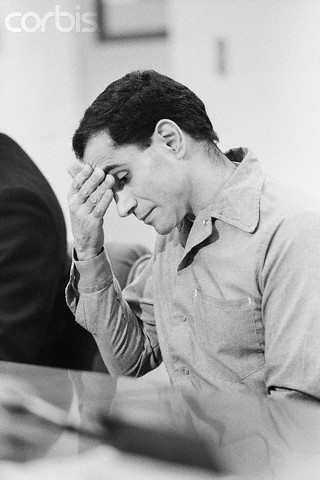
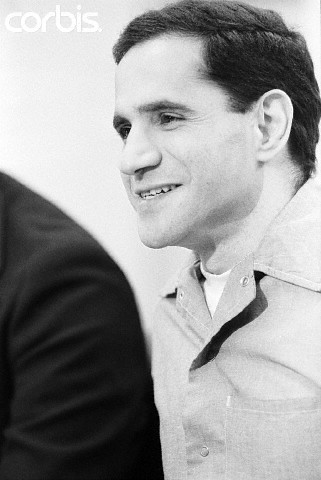
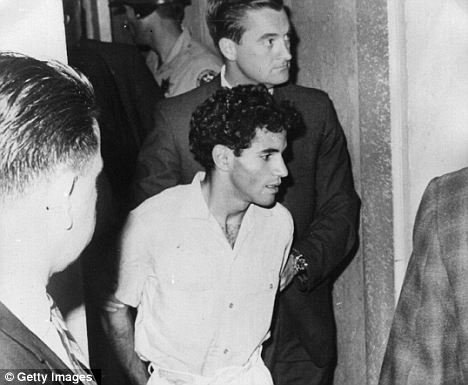
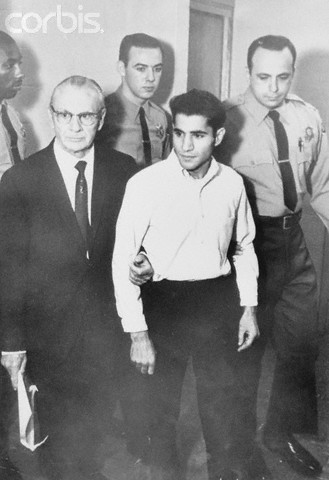
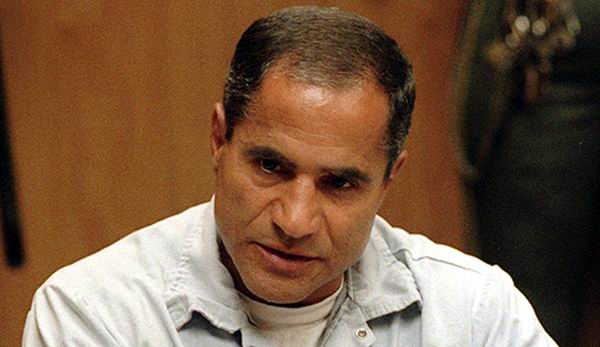
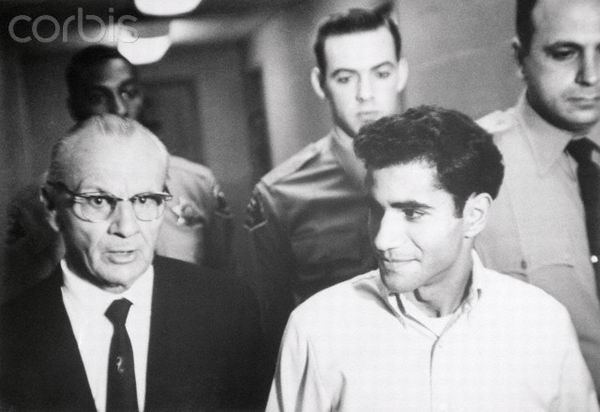
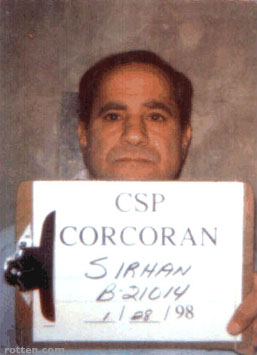
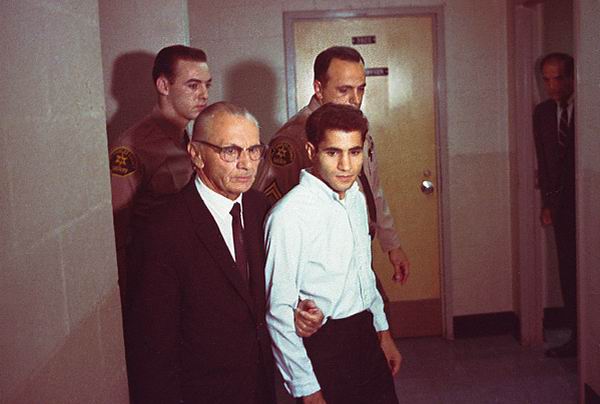
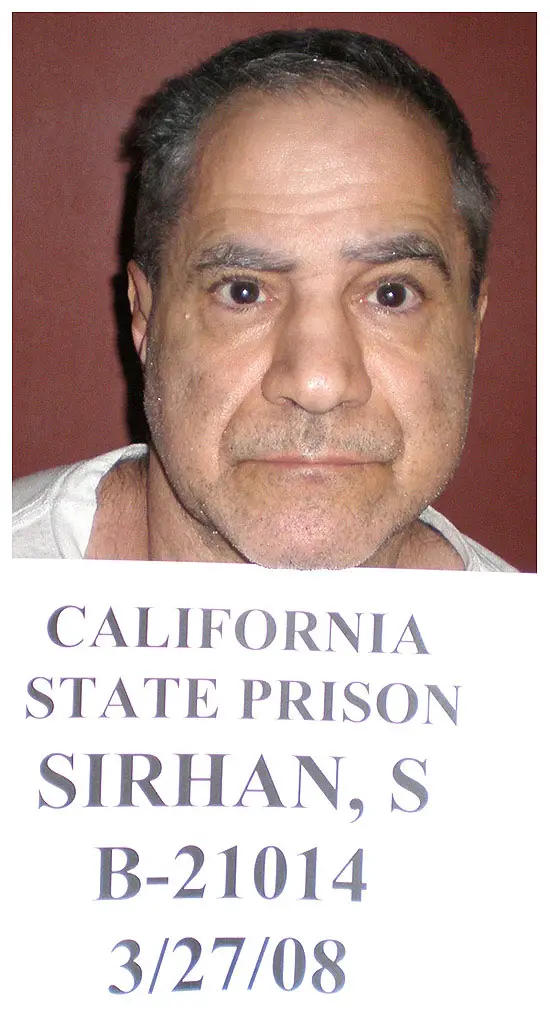
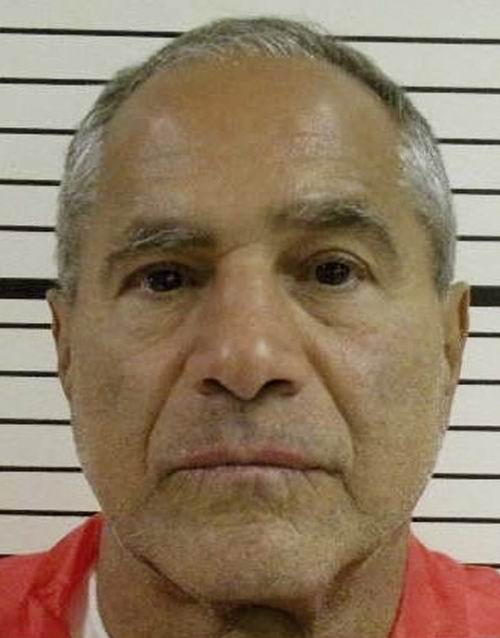
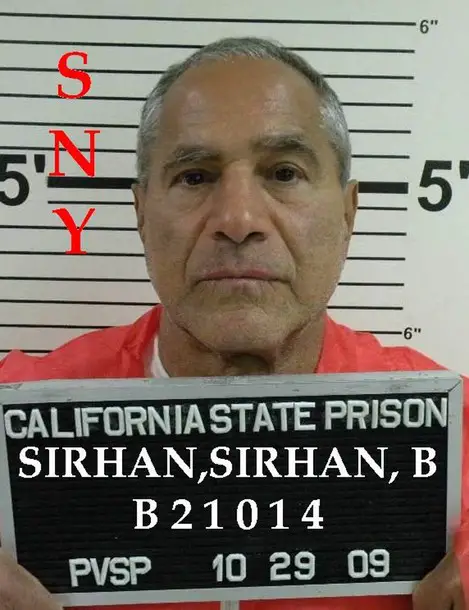
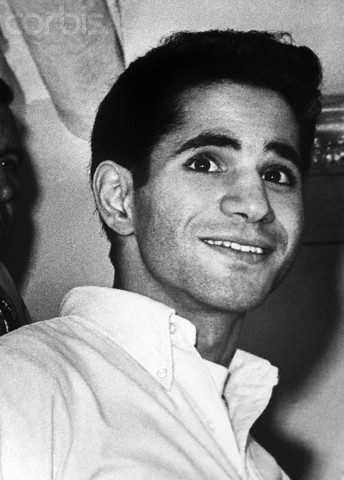
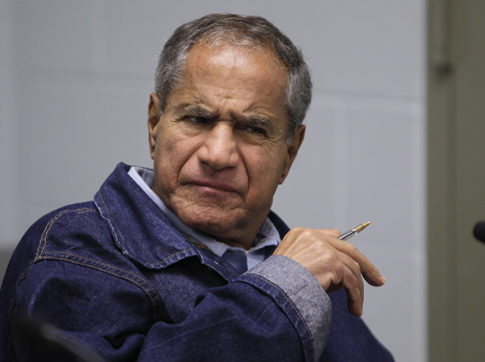
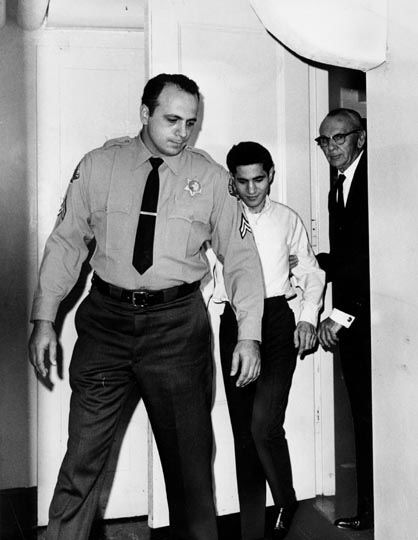
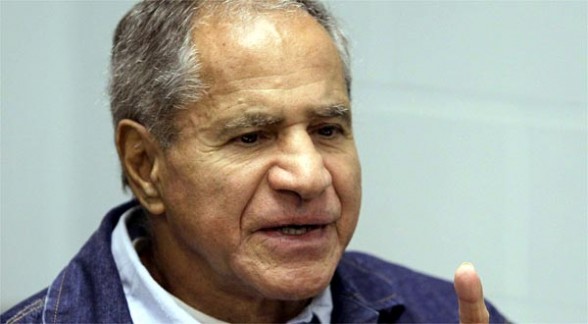
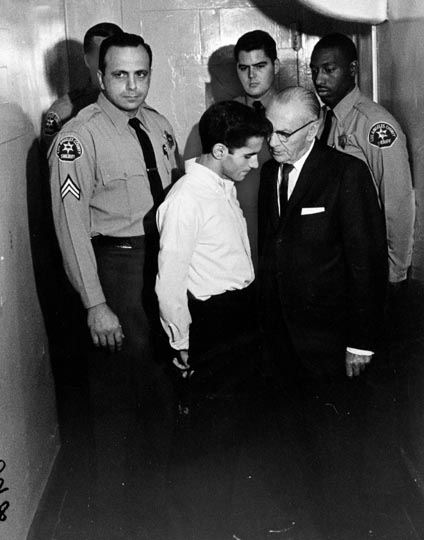
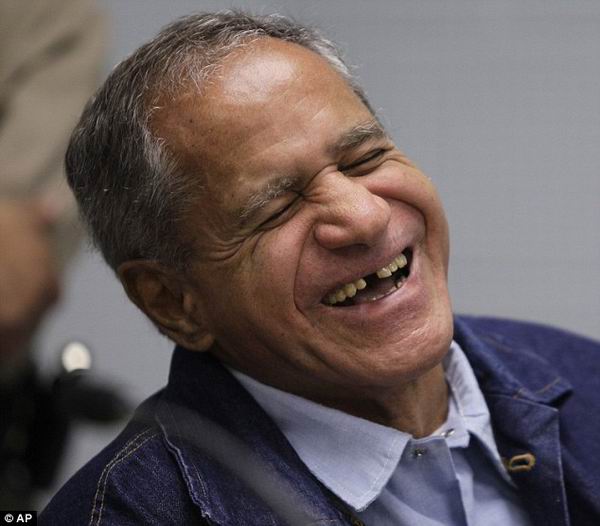
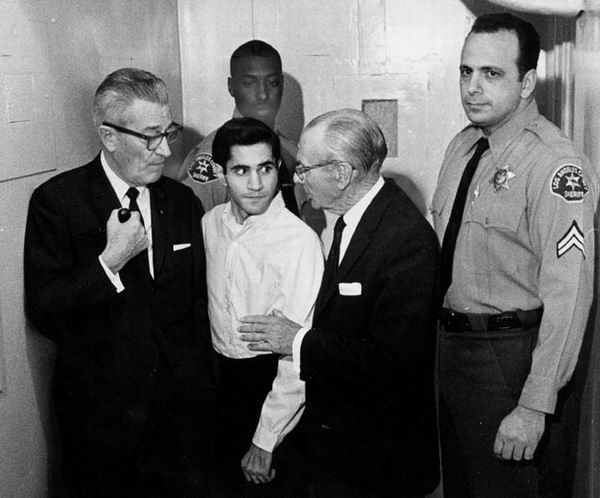
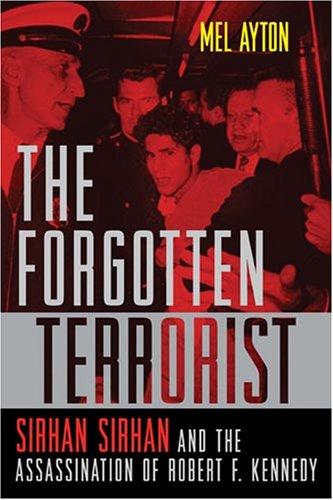
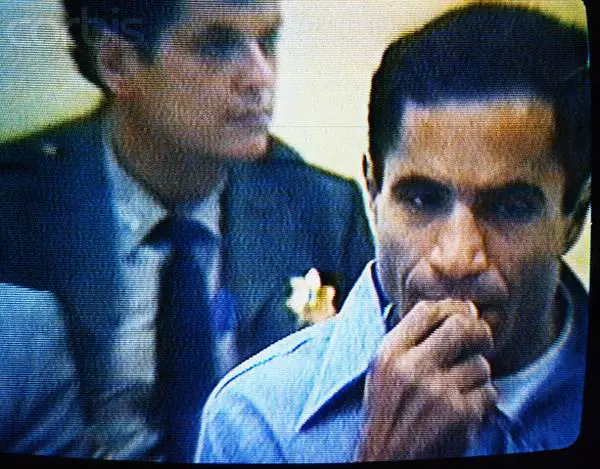
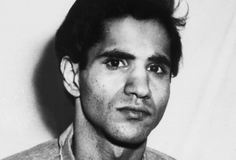
| Convicted Perpetrator | Sirhan Bishara Sirhan (24 years old at time of offense, Palestinian-Jordanian national) |
| Date & Time of Incident | June 5, 1968, at 00:15 PDT; time of death: June 6, 1968, at 01:44 PDT |
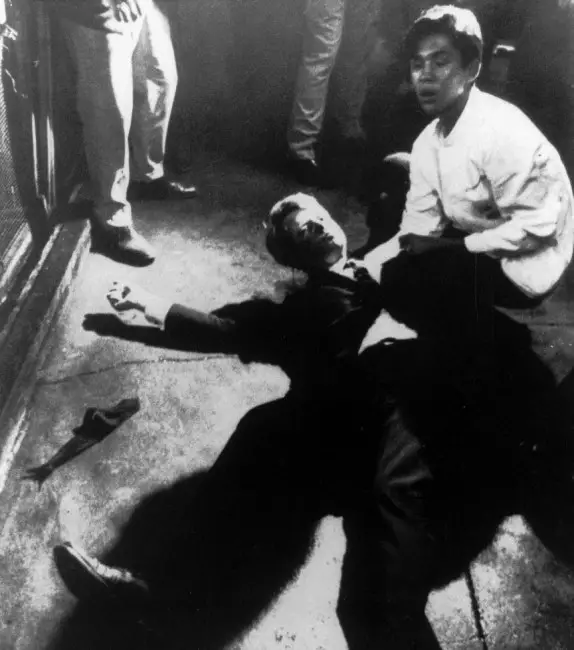
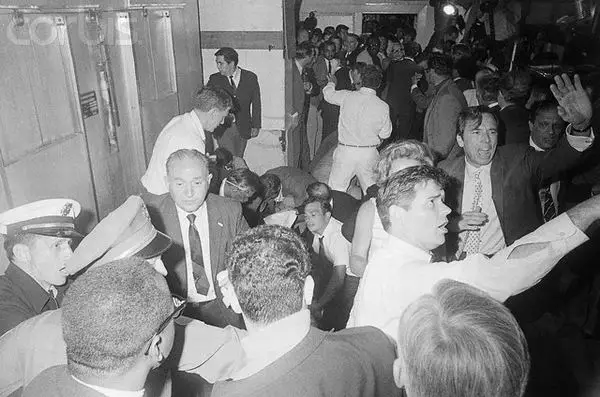
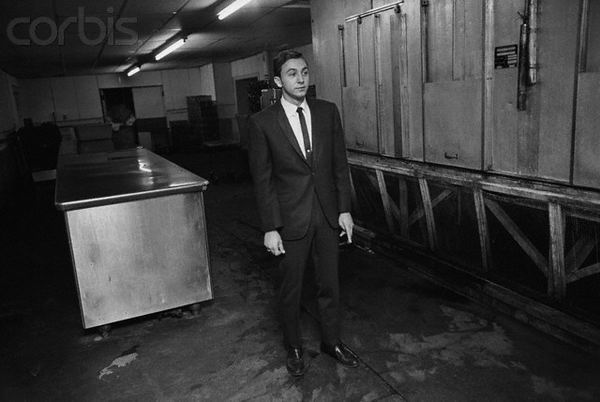
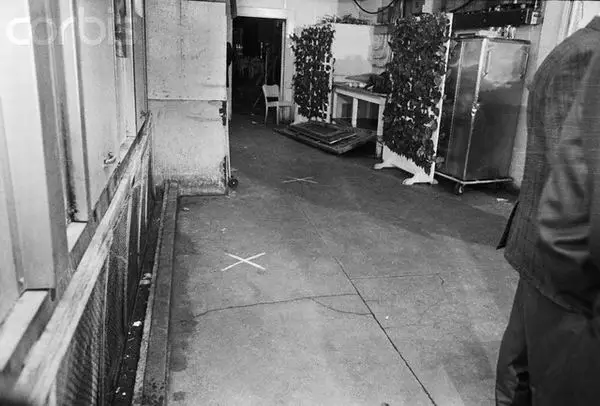
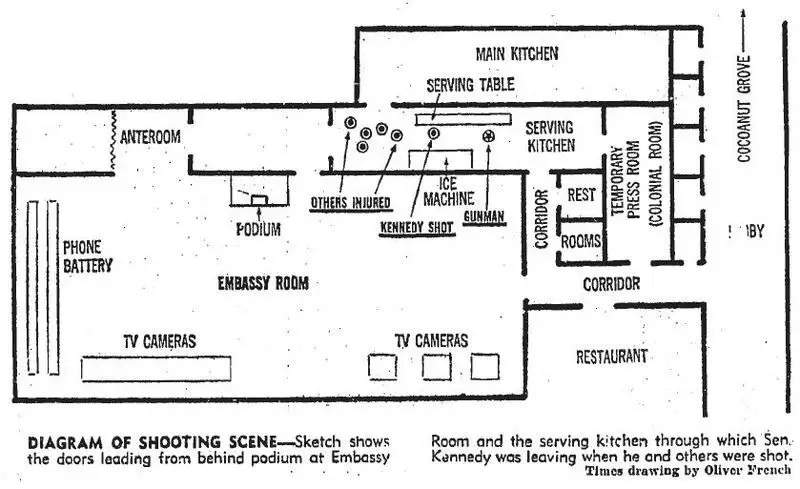
| Crime Scene | Kitchen pantry service passage, Ambassador Hotel, Wilshire Boulevard, Los Angeles, California |
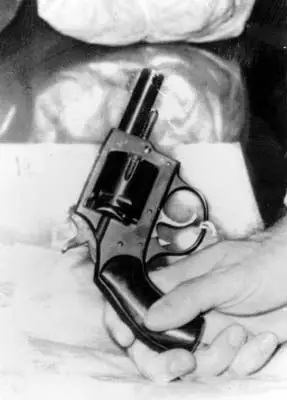
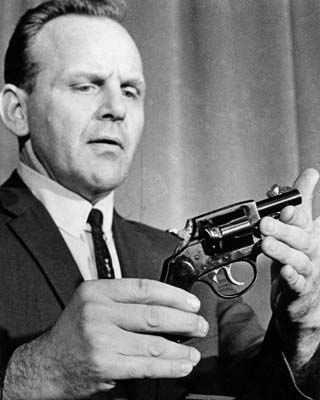
| Forensic Ballistics | .22 Long Rifle 8-shot Iver Johnson Cadet Model 55-A revolver |
| Forensic Cause of Death | Penetrating cranial gunshot wound with extensive destruction of right cerebral cortex and cerebellum, accompanied by massive hemorrhage |
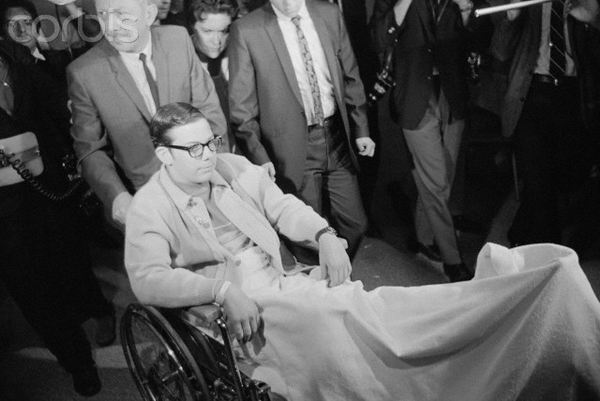
| Additional Wounded Victims | Paul Schrade, William Weisel, Ira Goldstein, Elizabeth Evans, Irwin Stroll (five firearm bystanders) |
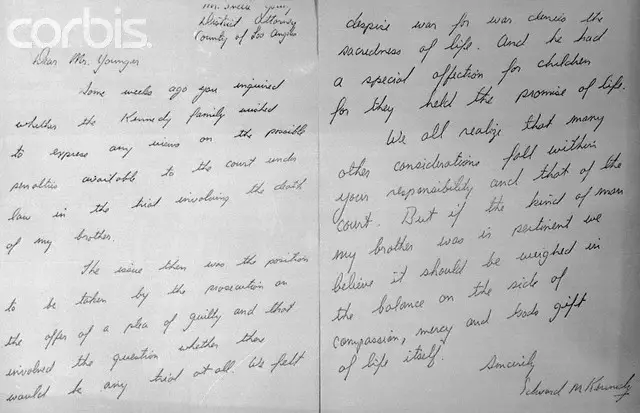
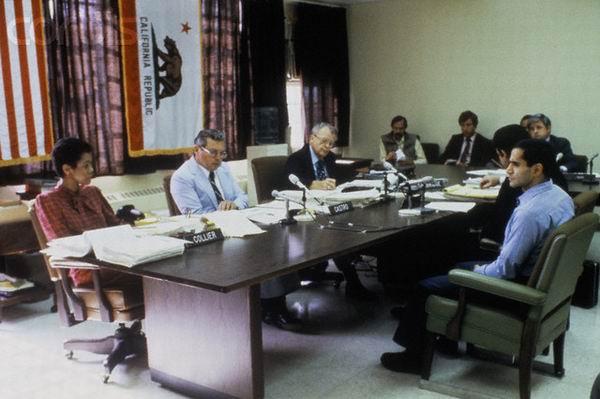
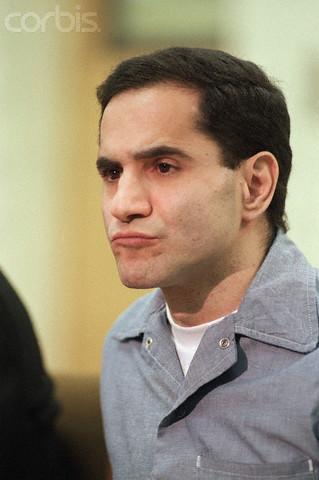
| Legal Status of Offender | Death sentence imposed in 1969; commuted to life imprisonment in 1972; incarcerated at Richard J. Donovan Correctional Facility |
1. The 1968 Primary Campaign and the Victory Address
On June 4, 1968, voters turned out across California for the pivotal Democratic presidential primary. Robert Francis Kennedy, New York senator and younger brother of assassinated president John F. Kennedy, secured a decisive victory over Eugene McCarthy, positioning himself as the presumptive frontrunner for the party's presidential nomination.
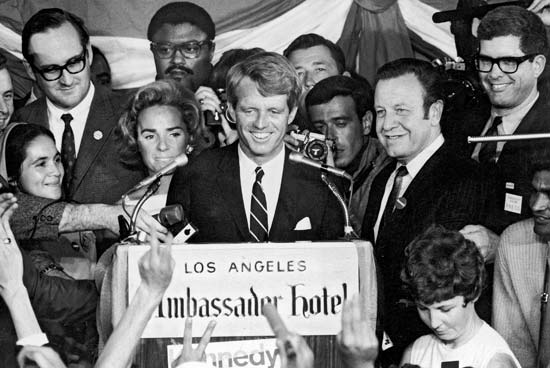
Shortly after midnight on June 5, 1968, Kennedy addressed a euphoric crowd of campaign staffers and supporters in the Embassy Room ballroom of the Ambassador Hotel in Los Angeles. He concluded his speech at 00:14 PDT with the famous sign-off: «My thanks to all of you, and on to Chicago, and let's win there!».
To bypass crowds and reach a press conference in the Colonial Room, hotel maitre d'hôtel Karl Uecker directed the senator through a rear corridor cutting through the hotel kitchen pantry.
2. The Kitchen Pantry Ambush
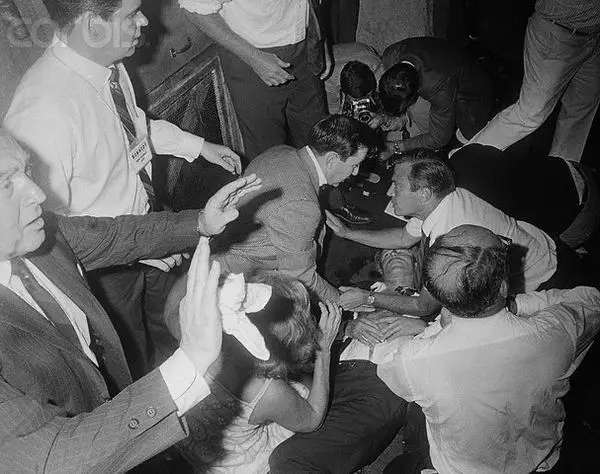
At 00:15 PDT, as Kennedy paused to shake hands with busboys and banquet kitchen staff, an assailant lunged forward from behind a tray cart:
- Sirhan Bishara Sirhan, a 24-year-old Jordanian-born Palestinian immigrant residing in Pasadena, pulled an eight-round .22 caliber Iver Johnson Cadet revolver.
- Sirhan fired point-blank into Kennedy's body.
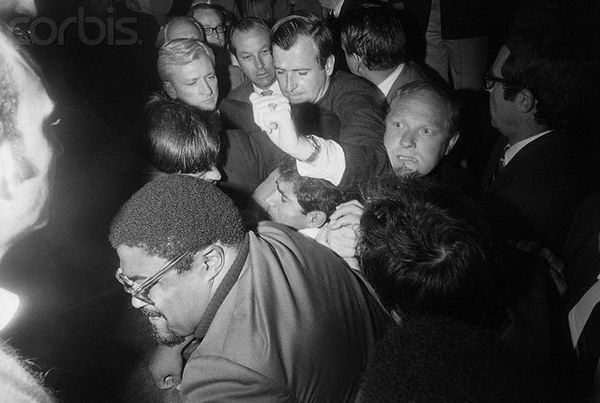
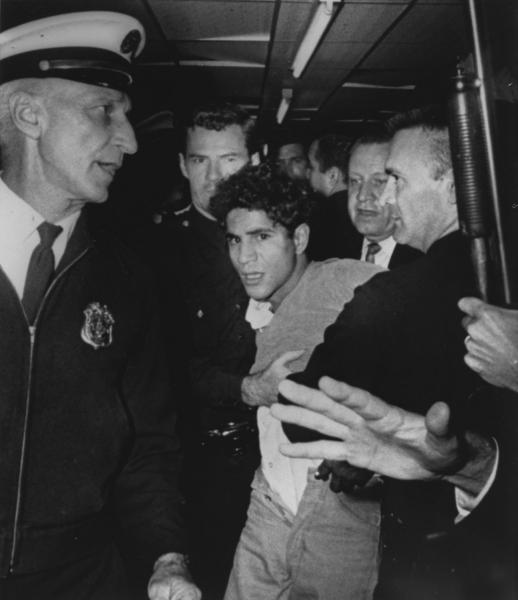
- Olympic decathlon gold medalist Rafer Johnson, NFL defensive lineman Rosey Grier, and author George Plimpton instantly tackled the gunman onto a steel steam table. Although pinned, Sirhan continuously squeezed the trigger until exhausting all eight chambers, wounding five surrounding campaign workers.
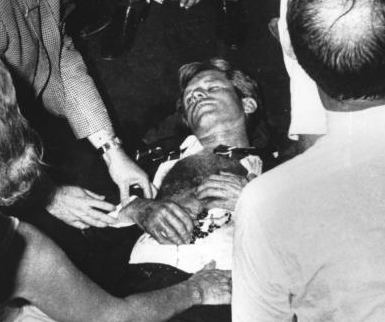
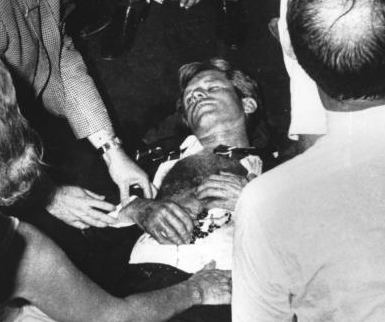
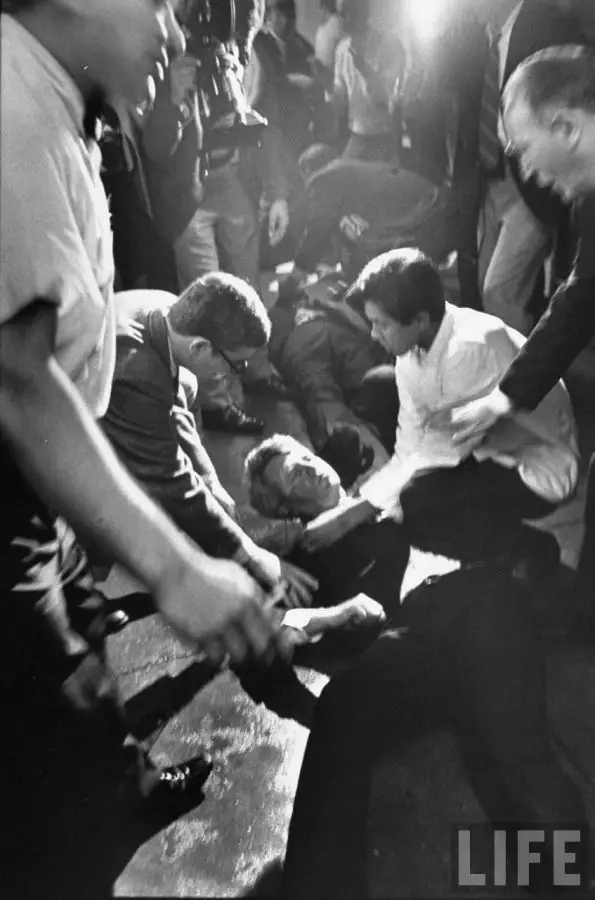
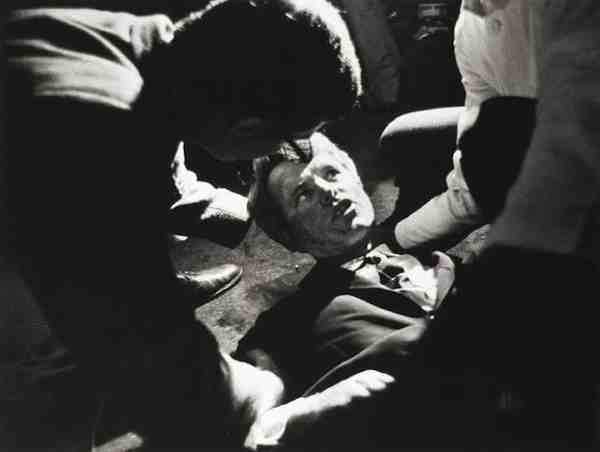
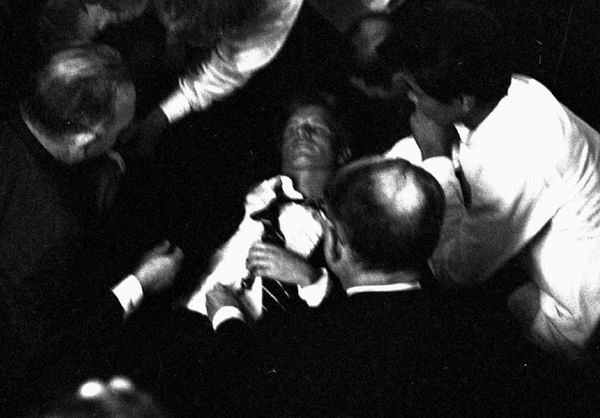
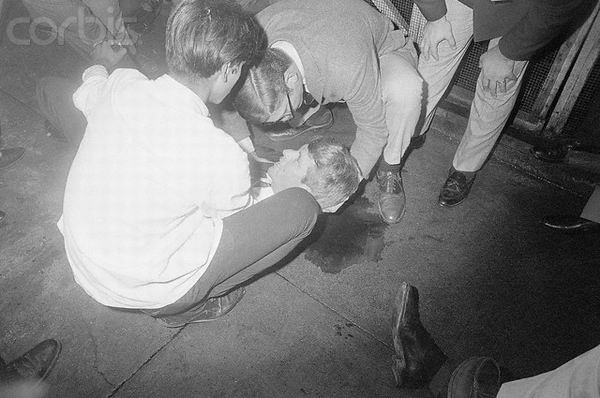
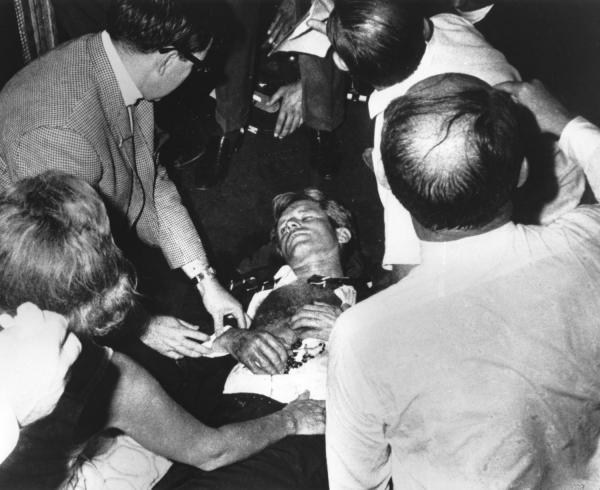
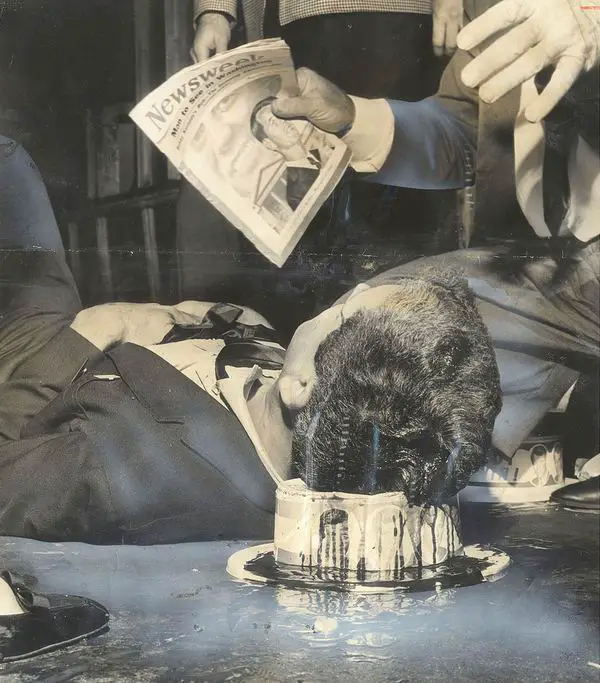
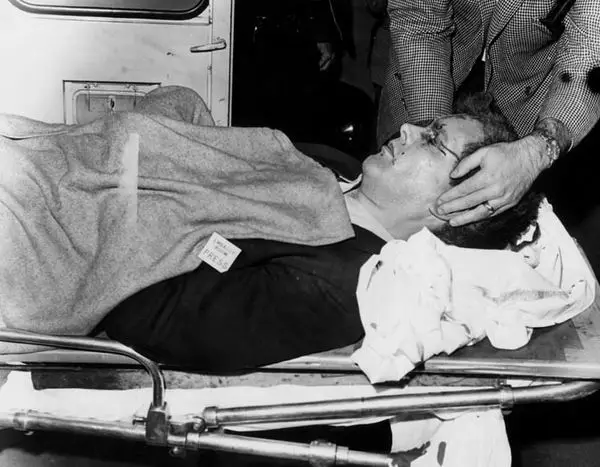
- Kennedy collapsed onto the greasy floor. Busboy Juan Romero placed a rosary in his hand as the senator uttered his last words: «Is everybody safe?... Everything will be okay».
3. Autopsy Findings by Dr. Thomas Noguchi
Los Angeles County Chief Medical Examiner-Coroner Dr. Thomas Noguchi conducted post-mortem examination No. 68-5731, widely regarded as one of the most meticulously documented autopsies in modern forensics:
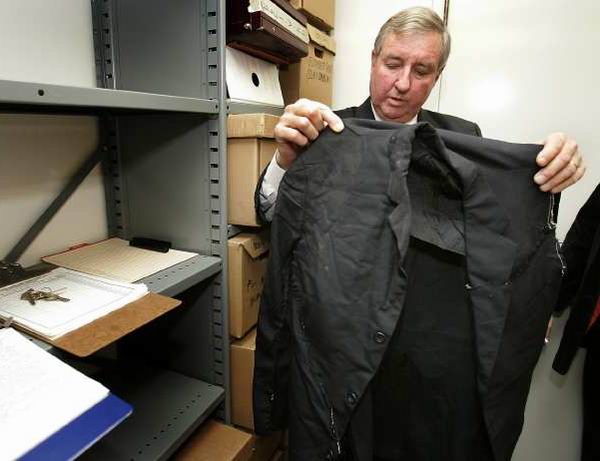
- Fatal Gunshot Wound: The fatal bullet entered 1 inch behind Kennedy's right mastoid bone, shattering bone fragments and depositing lead shrapnel through the right parietal and cerebellar regions. Soot tattooing on the skin confirmed muzzle-to-target distance of less than 3 inches (point-blank contact range).
- Secondary Wounds: Two additional .22 rounds entered the right axilla; one lodged in the cervical spine soft tissue and another exited through the right shoulder muscle without striking major arteries.
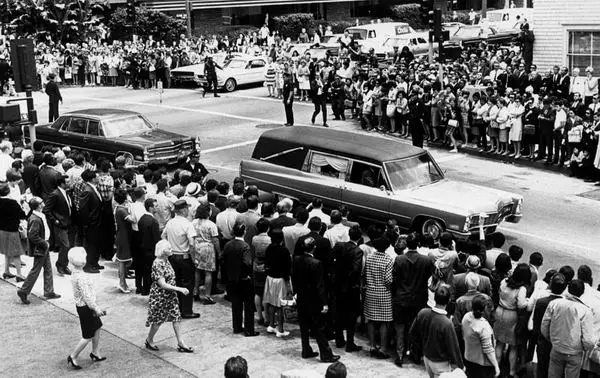
Despite a grueling three-and-a-half-hour neurosurgical intervention at Good Samaritan Hospital, Senator Robert F. Kennedy was pronounced dead at 01:44 PDT on June 6, 1968, at the age of 42.
4. Legal Proceedings and Conviction
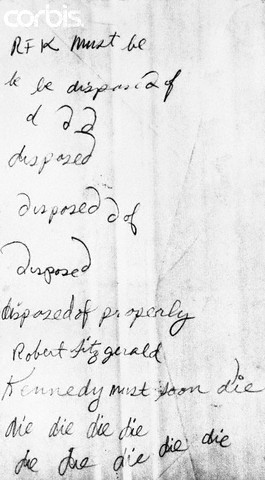
A search of Sirhan's residence uncovered handwritten notebooks containing obsessively repetitive scribbles: «RFK must die, RFK must be assassinated before 5 June 68». The date marked the exact first anniversary of the 1967 Six-Day War, driven by Sirhan's rage over Kennedy's vocal support for sending 50 Phantom jet bombers to Israel.
Sirhan's trial commenced in Los Angeles Superior Court on January 7, 1969:
- The defense entered pleas of diminished capacity and temporary insanity.
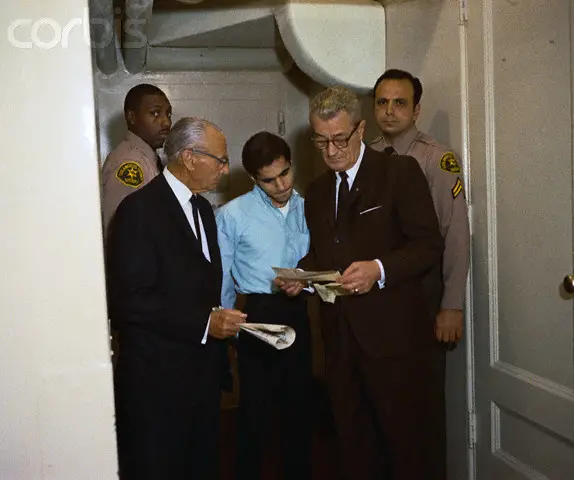
- On April 17, 1969, the jury rejected the defense and convicted Sirhan of first-degree murder.
- On April 23, 1969, Judge Herbert V. Walker sentenced him to death in the gas chamber.
- In 1972, following the California Supreme Court decision in People v. Anderson declaring capital punishment unconstitutional, Sirhan's sentence was commuted to life imprisonment. He remains housed at the Richard J. Donovan Correctional Facility, having repeatedly been denied parole.