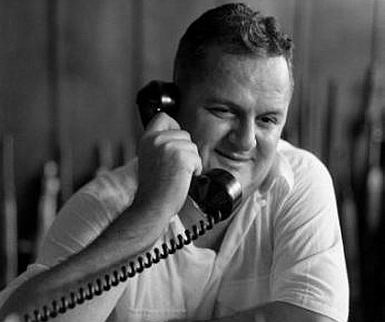
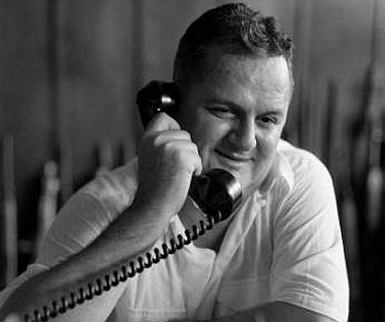



Forensic & Criminological Matrix
| Parameter | Forensic Detail |
|---|---|
| Case File Title | The Assassination of José Antonio Remón |
| Assassinated Head of State | Colonel José Antonio Remón Cantera (age 46, constitutional President of the Republic of Panama and former National Guard Commander-in-Chief) |
| Other Casualties | José Antonio Peralta (presidential associate, killed) and multiple VIP guests critically wounded by shrapnel |
| Historical Designations | The Juan Franco Racetrack Magnicide, The Panama Canal President Murder |
| Nationality | Panamanian |
| Date of Attack | Sunday, January 2, 1955 (approx. 19:30 hours) |
| Crime Scene | Private VIP terrace of the Juan Franco Racetrack Clubhouse, Panama City, Panama |
| Weapons & Ballistics | German Schmeisser MP-40 / British Sten 9x19mm Parabellum submachine guns; automatic spray from shrubbery 45 yards distant; high-velocity penetrating thoracic rounds severing thoracic aorta and left lung |
| Criminological Typology | Covert state magnicide / Cold-case paramilitary ambush |
| Historical Landmark | The only assassination of an incumbent head of state in the entire republican history of Panama |
| Official Brand Archive | CRIMETECA — Forensic True Crime Documentation Archive |
1. Strongman Governance and the Panama Canal Treaty
Colonel José Antonio Remón Cantera, widely known as "Chichi Remón", was the preeminent military and political authority of post-war Panama:
- Reorganized the municipal constabulary into the modernized, unified National Guard, serving as de facto kingmaker throughout the 1940s.
- Elected President in 1952 behind the National Patriotic Coalition.
- Slogan: "Neither millions nor alms, we demand justice". Spearheaded aggressive diplomatic renegotiations with President Dwight D. Eisenhower regarding sovereign rights over the Panama Canal Zone, securing higher annuity royalties and anti-discrimination wage parity for Panamanian dockworkers.
- The landmark Remón-Eisenhower Treaty was scheduled for formal ratification only three weeks following the shooting.
2. The Juan Franco Racetrack Ambush (January 2, 1955)
On Sunday evening, January 2, 1955:
- An ardent equestrian breeder, Remón attended weekend races at Juan Franco Racetrack in Panama City.
- Following the victory of his thoroughbred filly Camagüey, the president retired with close friends and cabinet associates to the open-air clubhouse terrace for cocktails.
- Presidential guards stood dispersed, relying upon the supposed security of the private club.
- At 19:30 hours, in the twilight dusk, continuous automatic gunfire echoed across the dirt track.
- Hidden snipers firing from dense shrubbery roughly 40 yards away raked the presidential table with 9mm submachine gun bursts.
- Remón was hit in the back, the bullets ripping through his chest. Associate José Antonio Peralta fell dead immediately.
- Remón was rushed in a dying condition to Santo Tomás Hospital, where emergency surgeons declared him dead at 21:00 hours.
3. Rubén Miró's Confession and Vice-Presidential Impeachment
The assassination triggered severe political upheaval:
- On January 12, 1955, military investigators arrested attorney Rubén Miró Guardia, who signed a comprehensive confession alleging he fired the fatal weapon on orders from newly sworn-in President José Ramón Guizado (Remón's former vice president).
- On January 15, the National Assembly swiftly impeached Guizado, stripping him of office and sentencing him to prison for complicity.
4. Retraction, Torture Claims, and Complete Acquittal
However, during open court proceedings in 1957:
- Miró dramatically retracted his confession, demonstrating cigarette burn scars and physical trauma inflicted by National Guard colonels Bolívar Vallarino and Saturnino Flores.
- Miró exposed that the confession was fabricated under military duress to consolidate the army general staff's authority.
- In December 1957, an impartial jury unanimously acquitted Rubén Miró and all co-defendants of all charges.
- Congress was forced to overturn Guizado's conviction, restoring his civic honor.
5. Unsolved Hypotheses: International Cartels and Geopolitics
With the complete acquittal of all defendants, Remón's murder became a permanent cold case:
- The Syndicate Drug Connection: Declassified files indicate Remón had recently ordered the seizure of substantial heroin shipments tied to Lucky Luciano and Meyer Lansky's Havana-New York drug corridor operating through Panamanian waters.
- Cold War Geopolitics: Other analyses focused on hardline American defense factions who viewed Remón's canal diplomacy and rapport with Argentine populist Juan Perón with deep suspicion.
- In 1969, Rubén Miró was murdered in an unsolved roadside ambush in rural Panama, taking any remaining secrets to his grave.