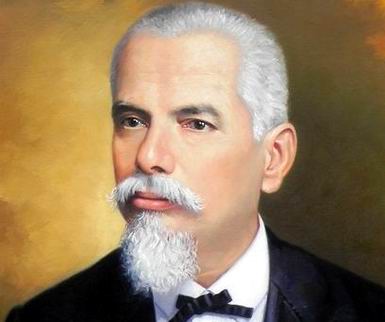




Forensic & Criminological Matrix
| Parameter | Forensic Detail |
|---|---|
| Case File Title | The Assassination of Eloy Alfaro |
| Assassinated Head of State | General José Eloy Alfaro Delgado (69, leader of the Liberal Revolution and former constitutional President of Ecuador) |
| Murdered Generals & Allies | General Medardo Alfaro, General Flavio Alfaro, General Ulpiano Páez, Colonel Luciano Coral, and Colonel Manuel Serrano |
| Historical Designations | The Barbaric Bonfire (La Hoguera Bárbara), The Dragging of the Alfaros |
| Nationality | Ecuadorian |
| Date of Lynching | Sunday, January 28, 1912 (approx. 13:30 to 16:00 hours) |
| Crime Scenes | García Moreno Panoptic Penitentiary and El Ejido Park, Quito, Pichincha, Ecuador |
| Weapons Employed | Military-issue Mauser rifles, revolvers, cavalry sabers, bayonets, hemp drag ropes, and kerosene accelerant |
| Criminological Typology | Mass mob lynching / Ideological state magnicide / Coordinated partisan coup |
| Modus Operandi | State-sanctioned withdrawal of perimeter security; mob breach of maximum-security penitentiary; point-blank execution of defenseless inmates; public desecration, urban dragging, and pyre immolation |
| Criminological Motive | Partisan vengeance, clerical-conservative hatred, and military oligarchic collusion to permanently dismantle secular constitutional reforms |
| Official Brand Archive | CRIMETECA — Forensic True Crime Documentation Archive |
1. The Fall of the Liberal Radical Revolution
General José Eloy Alfaro Delgado, revered across Latin America as "The Old Fighter" (El Viejo Luchador), modernized Ecuador following the triumph of the Liberal Revolution on June 5, 1895:
- Secularized the state, ending clerical control over civil registries, cemeteries, and education.
- Enacted civil marriage, legal divorce, and absolute religious freedom.
- Constructed the world-renowned Trans-Andean Railroad connecting Guayaquil to Quito across precipitous Andean passes.
By late 1911, internal fractures between radical Alfarists and commercial oligarchs led by General Leónidas Plaza erupted into civil war following the untimely death of President Emilio Estrada.
2. The Durán Betrayal and Transport to Quito
Seeking to avert nationwide fratricide, Alfaro returned from Panama to negotiate peace:
- On January 22, 1912, loyalist officers signed the Capitulation of Durán, underwritten by the consular representatives of Great Britain and the United States, guaranteeing safe passage, constitutional immunity, and exile.
- Once arms were surrendered, General Leónidas Plaza flagrantly repudiated the diplomatic accords, placing Alfaro and his inner circle under military arrest.
- Interim President Carlos Freile Zaldumbide ordered the captives transferred by rail to Quito under deliberately compromised military custody.
3. The Breach of García Moreno Penitentiary (January 28, 1912)
On Sunday morning, January 28, 1912:
- The prison train arrived at Chimbacalle station in Quito at 11:30 hours, met by an incited mob mobilized by conservative clergy and partisan leaflets.
- By 12:00, Alfaro and his five senior commanders were locked inside cells at the García Moreno Panoptic Prison.
- Shortly after 13:00, an armed horde of soldiers, coachmen, and agitators surrounded the perimeter. Prison guards offered zero resistance, opening the gates.
- Guard corporal José Cevallos kicked open Cell No. 3. As the unarmed 69-year-old statesman stood defenseless, a rifle round tore through his forehead, killing him instantly.
- Simultaneously, Generals Medardo Alfaro, Flavio Alfaro, Ulpiano Páez, Colonel Luciano Coral, and Colonel Manuel Serrano were butchered in their cells with bayonets and point-blank gunfire. Coral's tongue was excised by assailants for having authored secular editorials.
4. The Urban Dragging and The Barbaric Bonfire in El Ejido
Following the penitentiary massacre:
- Assailants stripped the victims of garments, boots, and personal effects.
- Ropes were bound to the necks and feet of the mutilated corpses, which were hurled down exterior stone stairs into the street.
- For over two hours, the howling crowd dragged the naked remains along cobblestone avenues through the historic core of Quito (Rocafuerte Street, Santo Domingo, Plaza Grande, and San Blas).
- By 16:00, the parade reached the open fields of El Ejido Park. Gunmen erected massive pyres using fencing and kerosene.
- The remains of Alfaro and his commanders were incinerated in roaring bonfires before cheering crowds and passive police officials—a barbaric tragedy chronicled by historian Alfredo Pareja Diezcanseco as "La Hoguera Bárbara".
5. Impunity and Posthumous Sanctification
Despite international diplomatic condemnation:
- Judicial proceedings in Quito courtrooms were systematically sabotaged by government collusion.
- On May 10, 1919, the Superior Court of Justice in Quito permanently dismissed all charges, granting unconditional immunity to political instigators and military conspirators.
- Today, Eloy Alfaro is recognized as the greatest transformational statesman in Ecuadorian history, with his resting place enshrined in the Montecristi Memorial Mausoleum.